
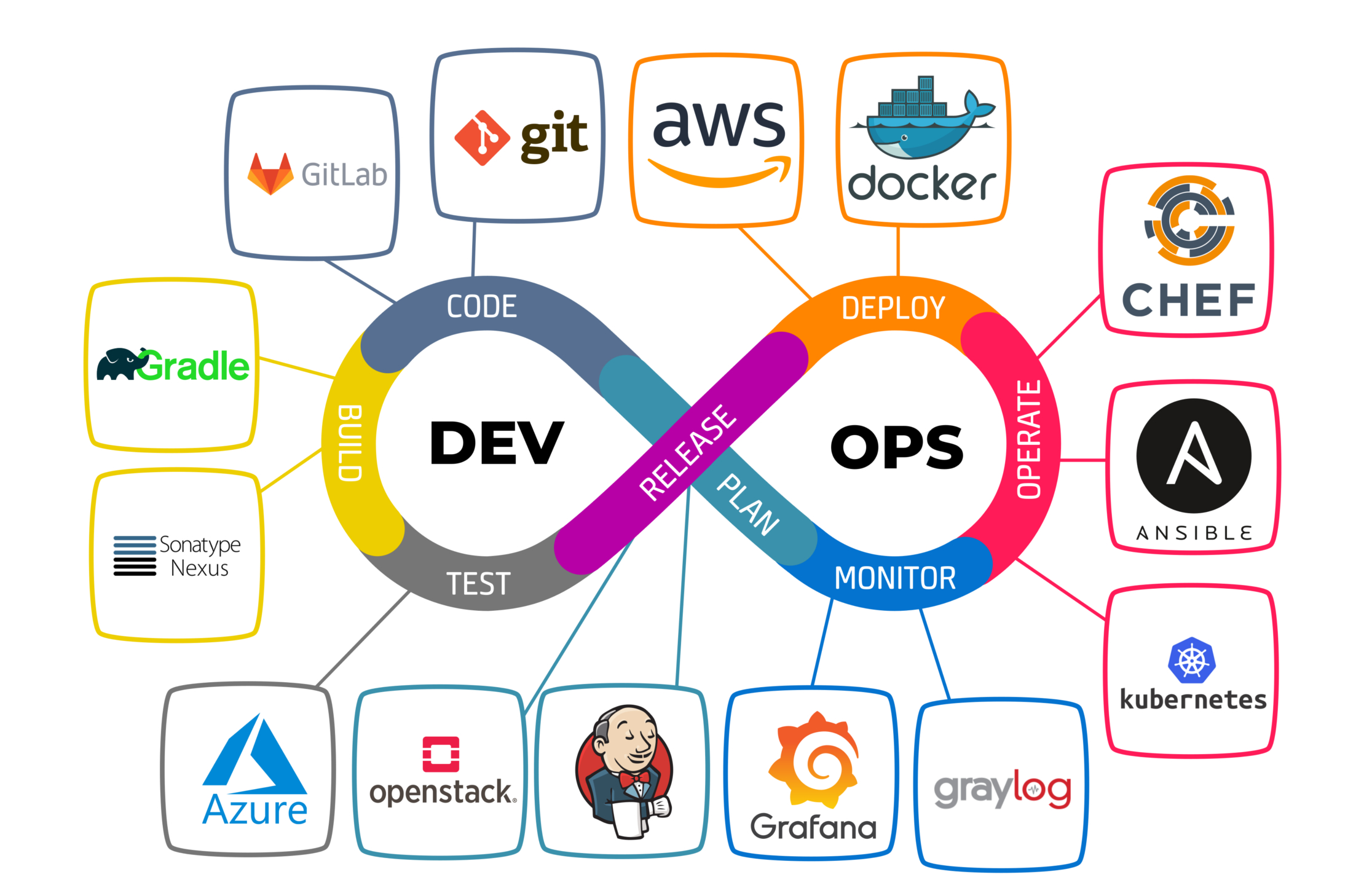
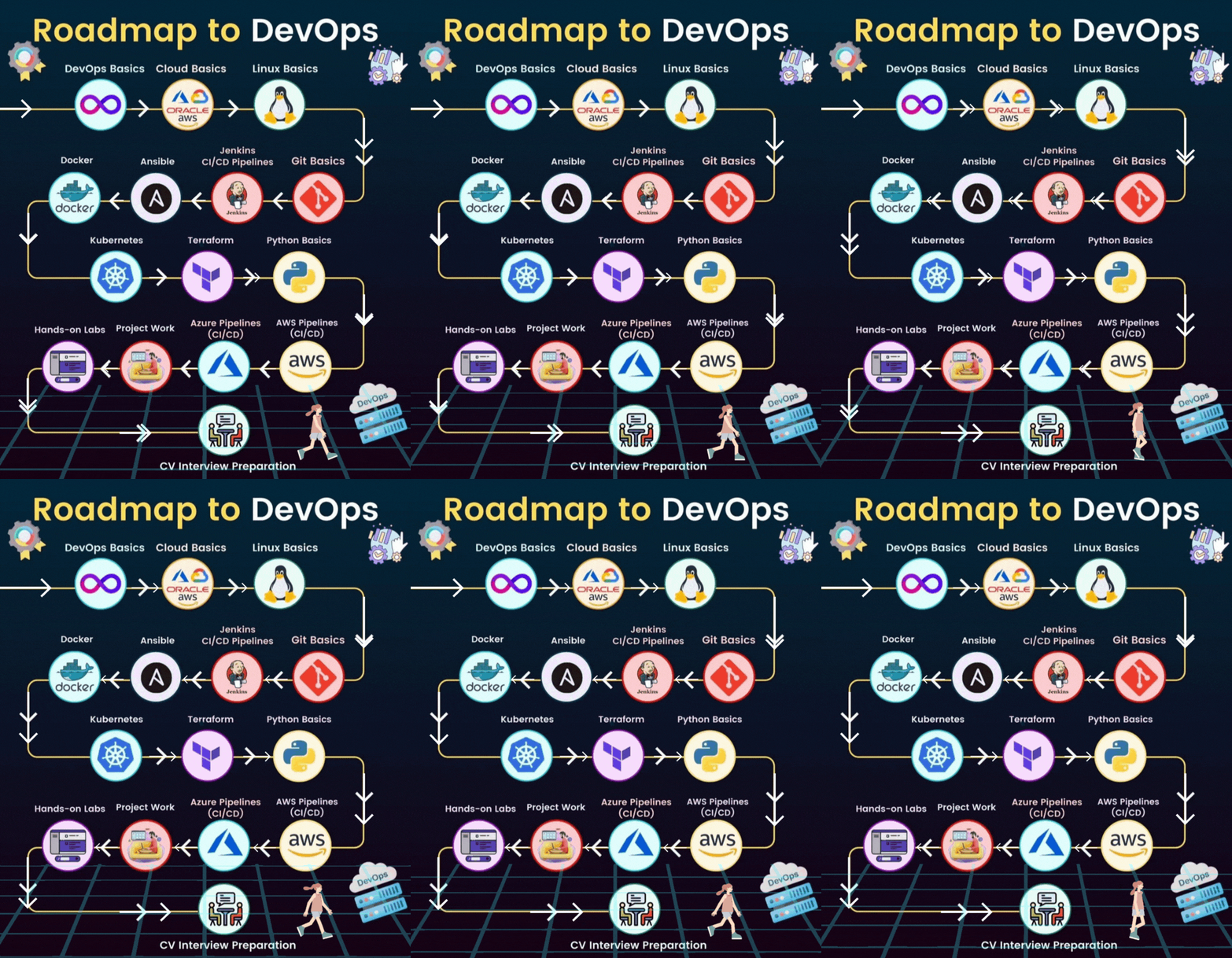
Embarking on a DevOps and Cloud journey requires a multifaceted skill set and a deep understanding of various disciplines. Below is a detailed exploration of the essential areas to focus on:
1. Networking
- Command-Level Operations: Familiarity with command-line tools for network management is crucial. Understanding how to manipulate network configurations, troubleshoot connectivity issues, and monitor traffic is foundational.
- System Architecture: To excel in system architecture, a deep knowledge of:
- Network Protocols: Understanding protocols like TCP/IP, HTTP, and DNS is vital for effective communication between services.
- IP Routing: Knowledge of routing principles and how data packets travel across networks is essential.
- Firewall Management: Skills in configuring and managing firewalls to protect systems from unauthorized access are critical.
- Secure Communication Channels: Familiarity with SSL/TLS and VPNs ensures that data is transmitted securely.
2. Mastering CLI
- Importance of CLI: While GUIs are user-friendly, they often lack the depth and flexibility of command-line interfaces (CLI).
- Getting Started: Begin using CLI tools from Day 1. Familiarize yourself with:
- Terraform: Infrastructure as Code (IaC) tool for building, changing, and versioning infrastructure safely and efficiently.
- Ansible: Automation tool for configuration management and application deployment.
- Kubernetes: Container orchestration platform that automates deployment, scaling, and management of containerized applications.
- AWS CLI: Command-line tool for managing AWS services.
3. Programming
- Beyond Tool Integration: DevOps encompasses more than just connecting tools; it involves automation and integration into workflows.
- Programming Expertise: Solid programming skills are necessary for:
- Automating Tasks: Write scripts to automate routine tasks.
- Writing Hooks: Create hooks for CI/CD pipelines.
- API Integration: Integrate various services using APIs.
- Language Choices: Consider learning languages like:
- Python: Versatile and widely used in automation and scripting.
- Go: Known for its performance and efficiency in cloud-native applications.
- Rust: Gaining popularity for systems programming and performance-critical applications.
4. APIs
- Daily API Usage: APIs are integral to modern software architecture.
- Authentication Methods: Understanding methods like OAuth and JWT is crucial for secure service integration.
- Contract Testing: Ensures that APIs meet their expected behavior.
- RESTful Services: Proficiency in consuming RESTful APIs is essential for integrating various services.
5. Debugging
- Troubleshooting Skills: Robust debugging capabilities across both applications and infrastructure are non-negotiable.
- Essential Tools: Familiarize yourself with tools like:
strace: Trace system calls and signals.netstat: Network statistics and connections.tcpdump: Packet analyzer for network troubleshooting.- Application-specific debuggers: Tools tailored for specific applications or environments.
- Mindset: Combine technical skills with an open and analytical mindset to effectively solve problems.
6. Security Hygiene
- Security Responsibility: Adopt a security-first approach from the outset.
- Best Practices:
- Least Privilege: Grant the minimum permissions necessary for users and applications.
- RBAC: Implement Role-Based Access Control to manage user permissions.
- Centralized Secrets Management: Use tools to manage sensitive information securely.
- Single Source of Truth: Maintain a single, reliable source for configuration and secrets.
7. Exception Handling
- Mastering Exceptions: Learn to catch, handle, and log exceptions effectively.
- Importance: Proper exception handling can prevent system failures and aid in troubleshooting.
8. Soft Skills
- Human Element: Recognize that technology is built for and by humans.
- Team Collaboration: Work effectively within teams and understand diverse perspectives.
- Communication: Clearly presenting technical solutions and understanding business requirements are critical skills that can set you apart.
Conclusion
A successful DevOps and Cloud journey requires a blend of technical expertise and soft skills. By focusing on these areas, you can build a solid foundation for a thriving career in this dynamic field.